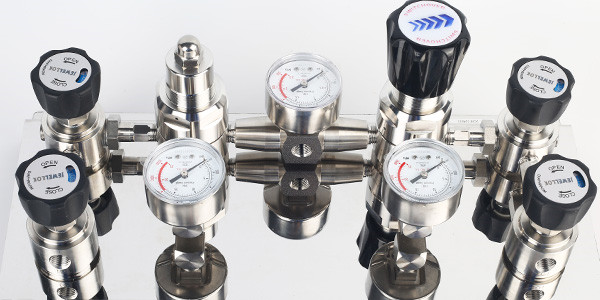
Pressure Regulator Information
A pressure regulator is a valve that controls the pressure of a fluid to a desired value, using negative feedback from the controlled pressure.

What is a pressure regulator
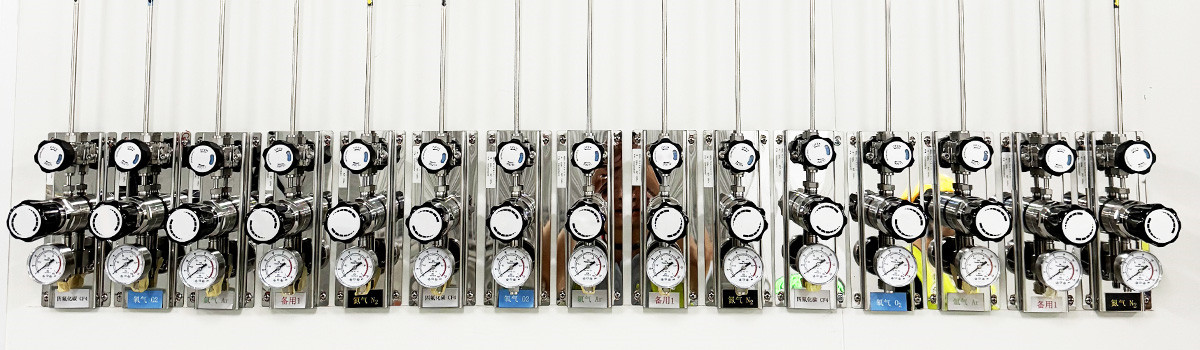
Pressure regulators are unsung heroes in countless systems, quietly ensuring that gases and liquids flow at precisely the right pressure for optimal performance and safety. From the oxygen delivered to a patient in a hospital to the natural gas powering a home’s heating system, pressure regulators maintain stability in dynamic environments. These devices automatically adjust the pressure of a fluid or gas to a predetermined level, regardless of fluctuations in input pressure or downstream demand. Their ability to deliver consistent output makes them indispensable across industries, including oil and gas, medical, aerospace, and manufacturing.
 
At their core, pressure regulators balance engineering simplicity with functional precision. Whether it’s a single-stage regulator controlling propane flow in a barbecue grill or a sophisticated pilot-operated regulator managing high-pressure steam in an industrial plant, these devices are tailored to meet diverse needs. Their evolution from rudimentary mechanical designs to modern, digitally integrated systems reflects the growing demand for efficiency and precision in fluid management.
 
This article explores the world of pressure regulators in depth, covering their history, working principles, types, and applications. We’ll delve into how these devices operate, the various designs available, and their critical role in both everyday and specialized settings. Additionally, we’ll examine the challenges faced by pressure regulators, recent innovations, and what the future holds for this vital technology. Whether you’re an engineer, a technician, or simply curious about the systems that keep our world running smoothly, this comprehensive guide will provide valuable insights into the fascinating world of pressure regulators.

What is a Pressure Regulator?

At its core, a pressure regulator is a mechanical control valve designed to automatically maintain a constant output pressure, regardless of fluctuations in the input pressure or varying flow demands downstream. Think of it as a sophisticated, automatic gatekeeper. If the incoming pressure from the supply tank or line suddenly surges, the regulator closes slightly to restrict the flow and keep the output steady. Conversely, if the inlet pressure drops, the regulator opens wider to allow more flow through, all to maintain that pre-set output pressure.

This function is achieved through a simple but brilliant balance of forces. Most regulators consist of a sensing element like a diaphragm or piston, a spring to set the desired pressure, and a restricting element (the valve). The spring force, which is adjusted by the user, pushes the valve open. The output pressure, fed back to the sensing element, creates a force that works to close the valve. The system continuously self-adjusts until these two forces are in perfect equilibrium, resulting in a stable, reduced output pressure.

The Critical Importance of Regulation

The role of a pressure regulator extends far beyond simple convenience; it is a cornerstone of safety, efficiency, and performance.

  • Safety: This is the most crucial function. High pressure can be extremely hazardous, leading to ruptured hoses, exploded equipment, and catastrophic system failures. In applications like oil and gas or industrial gas handling, a regulator is the first line of defense, stepping down extremely high cylinder or pipeline pressures to safe, usable levels for tools and instruments, thereby protecting both personnel and equipment.

  • Efficiency: Systems are designed to operate at a specific pressure for optimal performance. A regulator ensures that equipment receives precisely the pressure it needs, preventing energy waste and minimizing wear and tear. For example, an over-pressurized pneumatic tool consumes more compressed air than necessary, increasing energy costs. A regulator fine-tunes the pressure to the exact requirement, maximizing efficiency.

  • System Performance and Protection: Many sensitive instruments and processes require a steady, unwavering pressure to function correctly. Fluctuations can lead to inaccurate readings, poor product quality, or process shutdowns. A high-quality regulator provides this stability, ensuring consistency and protecting delicate components downstream from damaging pressure spikes.

Common Industrial Applications

The versatility of pressure regulators means they are ubiquitous across a wide spectrum of industries:

  • Oil and Gas: Used extensively in upstream, midstream, and downstream operations to control pressure from wells, in transmission pipelines, and at distribution points for natural gas.

  • Medical: Vital for regulating the supply of oxygen, anesthetic gases, and medical air from high-pressure cylinders to the safe, precise levels required by patient ventilators, respirators, and surgical tools.

  • HVAC (Heating, Ventilation, and Air Conditioning): Employed in refrigeration systems to control the pressure and flow of refrigerants, which is essential for efficient heat exchange and cooling.

  • Manufacturing and Automation: The backbone of pneumatic systems, regulating air pressure to power tools, robotics, assembly machines, and clamping devices with consistency and reliability.

  • Water Treatment and Distribution: Used to manage water pressure in municipal lines and within treatment plants to prevent pipe damage and ensure consistent flow.

The History and Evolution of Pressure Regulators

Pressure regulators, essential for controlling the flow and pressure of gases and liquids, have a rich history that reflects advancements in engineering and technology. From rudimentary devices in the Industrial Revolution to today’s smart, digitally integrated systems, their evolution showcases human ingenuity in addressing the challenges of fluid dynamics. This article traces the development of pressure regulators, highlighting early innovations, key design milestones, and modern advancements that have made them indispensable across industries.

Early Developments in Pressure Control

The origins of pressure regulators can be traced to the early days of the Industrial Revolution in the 18th century, when steam power drove technological progress. Early steam engines required mechanisms to control steam pressure to prevent explosions and ensure efficient operation. Primitive pressure control devices, such as weighted valves, were used to release excess pressure manually. These early systems, often called “safety valves,” were unreliable, requiring constant human intervention and offering limited precision. By the early 19th century, engineers began experimenting with automated designs. One notable early development was the use of spring-loaded valves, which could adjust pressure without manual input. These devices laid the groundwork for modern regulators, though they were bulky, prone to wear, and lacked the precision needed for complex applications. The need for safer and more efficient systems in industries like mining and railways spurred further innovation.

Key Milestones in Design Improvements

The late 19th and early 20th centuries marked significant advancements in pressure regulator design. A pivotal milestone was the introduction of diaphragm-based regulators in the late 1800s. Unlike earlier piston-based systems, diaphragms offered greater sensitivity and responsiveness, making them ideal for lower-pressure applications. This innovation allowed regulators to maintain consistent output pressure despite fluctuating input, revolutionizing industries like gas distribution and manufacturing. By the mid-20th century, the development of two-stage regulators further improved precision, particularly for high-pressure systems like those in medical oxygen delivery and industrial gas processing. Materials science also played a role, with brass and stainless steel replacing less durable components, enhancing reliability in harsh environments. The standardization of regulator designs during this period made them more accessible, enabling widespread adoption in HVAC, automotive, and chemical industries.

Modern Advancements in Pressure Regulators

The late 20th and early 21st centuries brought transformative changes to pressure regulators, driven by electronics and digital technology. The introduction of electronic pressure regulators in the 1980s allowed for real-time monitoring and adjustment, offering unprecedented accuracy. These systems used sensors and microprocessors to fine-tune pressure, making them ideal for precision-driven fields like aerospace and semiconductor manufacturing. The rise of the Internet of Things (IoT) in the 2010s ushered in “smart” regulators, which integrate with networked systems to provide remote monitoring, predictive maintenance, and data analytics. For example, smart regulators in oil and gas pipelines can detect pressure anomalies and alert operators, preventing costly downtime or accidents. Advances in materials, such as corrosion-resistant alloys and polymers, have also expanded regulators’ use in extreme environments, like hydrogen fuel cells and deep-sea exploration. Today, miniaturized regulators support compact applications, such as medical ventilators and portable fuel systems, reflecting ongoing trends toward efficiency and versatility.

How Pressure Regulators Work

Pressure regulators function by maintaining a constant output pressure despite variations in input pressure or downstream flow demands. At their core, they are mechanical devices that use a combination of components to achieve precise control. Understanding their operation requires a look at their key components and the principles governing their behavior.

Components of a Pressure Regulator

A typical pressure regulator consists of three main elements:
  1. Sensing Element: Usually a diaphragm or piston, this component detects changes in output pressure. Diaphragms are common in low- to medium-pressure applications due to their sensitivity, while pistons are used in high-pressure systems for durability.
  2. Reference Force: A spring or weight provides the setpoint pressure, against which the sensing element balances the output pressure.
  3. Control Element: A valve (e.g., poppet or needle valve) adjusts the flow of fluid or gas to maintain the desired pressure.

Working Principle

The operation of a pressure regulator is based on a force balance. When the input pressure enters the regulator, it acts on the sensing element. The sensing element compares this pressure to the reference force (set by the spring). If the output pressure is too high, the sensing element moves to restrict the valve, reducing flow. If the pressure is too low, the valve opens to allow more flow. This feedback loop ensures the output pressure remains stable.
 
For example, in a single-stage regulator, the process occurs in one step. The input pressure is reduced to the desired output pressure directly. In contrast, a two-stage regulator uses two sequential chambers to achieve greater precision, especially in applications with significant input pressure variations. The first stage reduces the pressure to an intermediate level, and the second stage fine-tunes it to the final output.

Mathematical Insight

The principle can be expressed as a balance of forces:
 
Fspring=Pout⋅Adiaphragm
 
where Fspring is the force exerted by the spring, Pout is the output pressure, and Adiaphragm is the area of the diaphragm. When the forces are equal, the system is in equilibrium. If Pout changes, the diaphragm adjusts the valve to restore balance.

Single-Stage vs. Two-Stage Regulators

Single-stage regulators are simpler and suitable for applications with stable input pressures, like residential gas systems. Two-stage regulators, used in medical oxygen systems or industrial processes, provide better accuracy when input pressures fluctuate significantly. For instance, a two-stage regulator might maintain a steady 50 psi output even if the input pressure varies from 500 to 2,000 psi.
 
This dynamic balance makes pressure regulators critical for safety and efficiency. A malfunctioning regulator could lead to over-pressurization, risking equipment damage or safety hazards, or under-pressurization, causing system inefficiencies. Understanding their operation is key to selecting the right regulator for specific applications.


Applications of Pressure Regulators

Pressure regulators are ubiquitous, serving critical roles across diverse industries. Their ability to maintain precise pressure control ensures safety, efficiency, and performance in systems ranging from household appliances to cutting-edge technologies. Below are some key applications, highlighting their versatility.

Industrial Applications

In the oil and gas industry, pressure regulators manage the flow of natural gas, crude oil, and refined products through pipelines and processing plants. High-pressure regulators control gas distribution to prevent pipeline ruptures, while low-pressure regulators ensure safe delivery to end users. In chemical manufacturing, regulators maintain precise pressures for reactions, ensuring product quality and safety. For example, a pilot-operated regulator might control steam pressure in a refinery, maintaining consistent temperatures for distillation.

Medical Applications

Pressure regulators are vital in healthcare, particularly in respiratory and anesthesia systems. In oxygen therapy, regulators reduce high-pressure oxygen from cylinders (up to 2,200 psi) to safe levels (e.g., 50 psi) for patient use. Anesthesia machines rely on regulators to deliver precise mixtures of gases, ensuring patient safety during surgeries. Medical-grade regulators are designed with biocompatible materials to prevent contamination.

Residential and Commercial Applications

In homes, pressure regulators are found in propane tanks for grills, water heaters, and HVAC systems. Water pressure regulators protect plumbing systems from damage due to high municipal water pressure, typically maintaining household water pressure between 40–60 psi. In commercial HVAC systems, regulators control refrigerant pressure to optimize cooling efficiency, reducing energy costs.

Emerging Applications

Pressure regulators are increasingly critical in emerging technologies. In hydrogen fuel cell vehicles, regulators manage the high-pressure hydrogen (up to 10,000 psi) stored in tanks, ensuring safe delivery to the fuel cell. In aerospace, regulators control cabin pressure and fuel systems in aircraft, where precision is paramount. For example, vacuum regulators maintain low-pressure environments in space simulation chambers.
 
Each application demands specific regulator designs. For instance, high-pressure regulators for hydrogen systems use corrosion-resistant materials like stainless steel, while medical regulators prioritize compact size and precision. The diversity of applications underscores the importance of tailoring regulators to specific needs, balancing factors like pressure range, flow rate, and environmental conditions.

Types of Pressure Regulators

Pressure regulators are essential devices that control the flow and pressure of gases or liquids in countless systems, ensuring safety, efficiency, and performance. Available in a variety of designs tailored to specific applications, pressure regulators are categorized based on the medium they control, their operational mechanism, and specialized functions.

Gas vs. Liquid Pressure Regulators

Pressure regulators are designed to handle either gases or liquids, with each type engineered to accommodate the unique properties of the medium. Gas pressure regulators manage the flow of gases, such as oxygen, nitrogen, or natural gas, which are compressible and often stored at high pressures. These regulators must account for gas expansion and temperature changes, requiring materials like stainless steel to withstand corrosion or extreme conditions. For example, a gas regulator used in welding reduces acetylene pressure from a cylinder (up to 250 psi) to a safe working level (15–30 psi). Liquid pressure regulators, on the other hand, control incompressible fluids like water, oil, or hydraulic fluid. These regulators prioritize durability against cavitation and erosion, often using brass or polymer components. In plumbing systems, liquid regulators maintain household water pressure at 40–60 psi to prevent pipe damage. The distinction between gas and liquid regulators ensures compatibility with the medium’s physical characteristics, optimizing performance and longevity.

Single-Stage vs. Multi-Stage Regulators

Pressure regulators are further classified by the number of stages used to reduce pressure. Single-stage regulators reduce input pressure to the desired output in one step, making them simple, compact, and cost-effective for applications with stable input pressures. For instance, the Victor SR450 single-stage regulator is widely used in industrial welding, delivering consistent oxygen pressure for cutting torches. However, single-stage regulators may struggle with precision when input pressure fluctuates significantly, leading to slight variations in output. Multi-stage regulators, typically two-stage, address this by reducing pressure in two phases. The first stage lowers the input pressure to an intermediate level, and the second stage fine-tunes it to the desired output. This design offers greater accuracy, making multi-stage regulators ideal for applications like medical oxygen delivery or laboratory gas systems. The Tescom 44-1300 series, a two-stage regulator, is used in analytical equipment, maintaining precise pressure for gas chromatography despite varying cylinder pressures.

Direct-Operated vs. Pilot-Operated Regulators

Another key distinction is between direct-operated and pilot-operated regulators, based on their control mechanism. Direct-operated regulators use a sensing element, such as a diaphragm or piston, to directly control the valve, balancing input pressure against a spring’s reference force. These regulators are simple, reliable, and suitable for low- to medium-flow applications, such as propane regulators for residential grills (e.g., the Fisher R622, which maintains steady pressure for gas appliances). However, their capacity is limited in high-flow or high-pressure scenarios. Pilot-operated regulators use a secondary pilot system to amplify control, allowing precise management of high-pressure or high-flow systems. The pilot adjusts the main valve, enabling stable performance in demanding applications like natural gas pipelines or industrial steam systems. The Emerson Tartarini Type FL pilot-operated regulator, for instance, is used in gas distribution networks, handling pressures up to 1,450 psi with exceptional accuracy.

Specialty Regulators

Specialty regulators are designed for niche applications requiring unique performance characteristics. High-pressure regulators manage extreme pressures, often exceeding 3,000 psi, and are used in industries like oil and gas or hydrogen fuel cells. The Swagelok KHR series, for example, handles pressures up to 10,000 psi in hydrogen storage systems, using robust materials to ensure safety. Low-pressure regulators, conversely, operate at pressures below 10 psi, ideal for sensitive applications like medical ventilators or aquarium aeration systems. The Norgren R07 series delivers precise low-pressure control for pneumatic tools. Vacuum regulators, another specialty type, maintain negative pressure in systems like laboratory vacuum chambers or medical suction devices. The Equilibar QPV series excels in vacuum control for semiconductor manufacturing, ensuring stable low-pressure environments.

Examples and Use Cases

Specific regulator models highlight the diversity of applications. The Harris 25GX gas regulator is a single-stage, direct-operated model used in welding, offering reliable performance for small-scale operations. In contrast, the Cashco 8310HP, a pilot-operated regulator, is employed in chemical processing plants to control high-pressure steam. For medical applications, the Precision Medical PM3100 series, a two-stage regulator, ensures consistent oxygen flow in hospital settings. Specialty regulators like the Bellofram Type 10, a low-pressure model, are used in HVAC systems to regulate air pressure in ductwork, improving energy efficiency.

Selection and Maintenance of Pressure Regulators

Pressure regulators are vital components in systems handling gases or liquids, ensuring stable pressure for safety and efficiency. Selecting the right regulator and maintaining it properly are critical to achieving optimal performance and longevity. 

Selecting the Right Pressure Regulator

Choosing a pressure regulator requires careful consideration of several factors to match the device to the application’s needs. Pressure range is a primary concern: the regulator must handle the expected input and output pressures. For example, a regulator for a high-pressure gas cylinder (up to 3,000 psi) differs significantly from one for a low-pressure HVAC system (40–60 psi). Selecting a regulator with an appropriate range prevents over-pressurization or insufficient flow. Flow rate is equally critical, as it determines the volume of fluid or gas the regulator can deliver. High-flow applications, like industrial gas pipelines, require pilot-operated regulators, while low-flow systems, such as medical oxygen delivery, may use direct-operated models. Material compatibility ensures the regulator can withstand the medium and environment. For instance, regulators handling corrosive gases like ammonia need stainless steel or specialized alloys, while water systems may use brass or polymers. Other factors include temperature range, as extreme conditions can affect performance, and connection type (e.g., threaded or flanged) for system integration. For example, the Swagelok KPR regulator, designed for high-pressure gas applications, uses stainless steel for compatibility with hydrogen in fuel cells. Evaluating these factors ensures the regulator meets operational demands and safety standards.

Maintenance Practices for Longevity

Regular maintenance is essential to keep pressure regulators functioning reliably. Periodic inspections help identify wear, corrosion, or damage to components like diaphragms, valves, or seals. For instance, checking for debris in the valve seat can prevent blockages that affect pressure control. Cleaning is critical, especially for regulators in dusty or corrosive environments. Using manufacturer-recommended solvents ensures no damage to sensitive parts. Lubrication of moving components, such as valve stems, reduces friction and wear, but only approved lubricants should be used to avoid contamination. Calibration ensures the regulator maintains the desired setpoint pressure, particularly in precision applications like medical or laboratory settings. For example, calibrating a Tescom 44-1300 regulator used in gas chromatography prevents output drift. Replacing worn parts, such as diaphragms or O-rings, before they fail is a proactive step to avoid leaks or pressure inconsistencies. Manufacturers often provide maintenance schedules—typically every 6–12 months for industrial regulators—to guide these practices. Following these steps extends the regulator’s lifespan and ensures consistent performance.

Troubleshooting Common Issues

Pressure regulators can develop issues like pressure creep or leakage, which compromise system performance. Pressure creep occurs when the output pressure gradually rises above the setpoint, often due to a damaged valve seat or debris preventing proper closure. To troubleshoot, inspect and clean the valve seat or replace it if worn. Leakage, another common issue, may stem from deteriorated seals, loose fittings, or cracks in the regulator body. For example, a leaking diaphragm in a Fisher R622 propane regulator can be identified by hissing sounds or gas odor. Tightening connections or replacing seals often resolves the issue, but severe damage may require regulator replacement. Other problems, like erratic pressure output, could result from a weak spring or clogged inlet filters. Testing with a pressure gauge and consulting the manufacturer’s troubleshooting guide can pinpoint the cause. Regular maintenance minimizes these issues, but prompt action is critical to prevent system damage or safety risks.

Challenges and Innovations in Pressure Regulators

Pressure regulators are critical for maintaining stable fluid or gas pressure in diverse applications, from industrial systems to medical devices. However, ensuring their reliability under demanding conditions presents challenges, while rapid technological advancements are driving innovative solutions.

Common Challenges

Pressure regulators face significant challenges in maintaining accuracy and durability. Accuracy under varying conditions is a primary concern, as fluctuations in input pressure, flow rate, or temperature can disrupt output stability. For instance, in oil and gas pipelines, regulators must handle input pressures ranging from 500 to 2,000 psi while delivering a consistent 50 psi output. Variations can lead to pressure creep, where output pressure rises above the setpoint, risking system damage or inefficiencies. This is particularly problematic in precision applications like semiconductor manufacturing, where even minor deviations affect product quality. Material degradation is another challenge, especially in harsh environments. Corrosive fluids like ammonia or extreme temperatures in aerospace systems can erode diaphragms, seals, or valve seats, leading to leaks or failures. For example, regulators in marine applications often face corrosion from saltwater exposure, reducing lifespan. These challenges demand robust designs and materials to ensure reliability across diverse operating conditions.

Innovations in Pressure Regulators

Recent innovations have addressed these challenges, enhancing regulator performance and versatility. Smart regulators with IoT integration represent a significant leap forward. These devices incorporate sensors and microprocessors to monitor pressure, flow, and environmental conditions in real time, enabling precise adjustments and remote diagnostics. For instance, Emerson’s TESCOM ER5000 series integrates IoT capabilities, allowing operators to monitor gas distribution systems remotely and predict maintenance needs, reducing downtime in industrial plants. This technology mitigates accuracy issues by dynamically responding to pressure fluctuations. Advanced materials have also transformed regulator design. Corrosion-resistant alloys like Hastelloy and high-performance polymers withstand extreme environments, such as hydrogen fuel cell systems operating at 10,000 psi or subsea oil extraction. Swagelok’s KHR series, for example, uses specialized materials to handle high-pressure hydrogen, ensuring durability in clean energy applications. These innovations extend regulator lifespan and enhance reliability in challenging conditions, addressing both accuracy and material degradation concerns.

Future Trends

The future of pressure regulators is shaped by trends toward miniaturization, energy efficiency, and automation. Miniaturization is critical for applications like medical devices and portable fuel systems, where compact regulators must deliver precise performance in limited spaces. For example, micro-regulators in ventilators ensure accurate oxygen delivery while fitting into lightweight, portable designs. Energy efficiency is another focus, particularly in industries like HVAC and renewable energy, where regulators are designed to minimize pressure losses and optimize flow, reducing energy consumption. Automation is driving the development of fully integrated systems, where regulators communicate with other devices via AI and IoT networks. In smart factories, automated regulators adjust pressure dynamically based on real-time data, improving efficiency and reducing human intervention. For instance, regulators in hydrogen refueling stations are being developed to integrate with automated control systems, supporting the growth of clean energy infrastructure. Additionally, advancements in 3D printing and nanotechnology promise to create regulators with enhanced precision and customized designs for niche applications, such as space exploration.

Conclusion

The pressure regulator, though often a small and unnoticed component, stands as a critical pillar upon which modern industrial and technological processes are built. Its fundamental role extends far beyond simple pressure reduction; it is the dedicated guardian of system stability, safety, and efficiency. By automatically maintaining a constant output pressure despite erratic inlet fluctuations or varying consumption demands, it provides the consistent and controlled environment that sophisticated equipment requires to function optimally.

The indispensability of the pressure regulator is most profoundly seen in its core benefits. First and foremost, it is a vital safety device, acting as a reliable barrier against dangerous over-pressure conditions that could lead to equipment failure, catastrophic accidents, or harm to personnel. This protective function is paramount in industries dealing with volatile gases or high-pressure fluids. Furthermore, regulators are key drivers of efficiency and performance. They ensure that tools and machines operate at their precisely designed pressure, conserving energy, reducing waste, and preventing unnecessary wear and tear. This not only lowers operational costs but also ensures consistent product quality and process reliability, whether in manufacturing a product or delivering life-saving medical gases.

From the massive scale of oil and gas pipelines to the precise demands of medical ventilators and the everyday comfort provided by HVAC systems, the applications for pressure regulators are virtually limitless. Their versatility across such a diverse range of fields underscores their fundamental engineering principle: the need for controlled, stable pressure is a universal constant.

In summary, the pressure regulator is a powerful testament to the idea that the most impactful components are often those that work quietly in the background. It requires no external power, only an intelligent mechanical design that elegantly balances forces to deliver unwavering control. As technology continues to advance and systems become ever more complex and integrated, the humble pressure regulator will remain an essential, unsung hero, ensuring that the immense power of pressurized fluids is harnessed safely, efficiently, and effectively for progress.